Work at Height Safety
Work at Height Safety
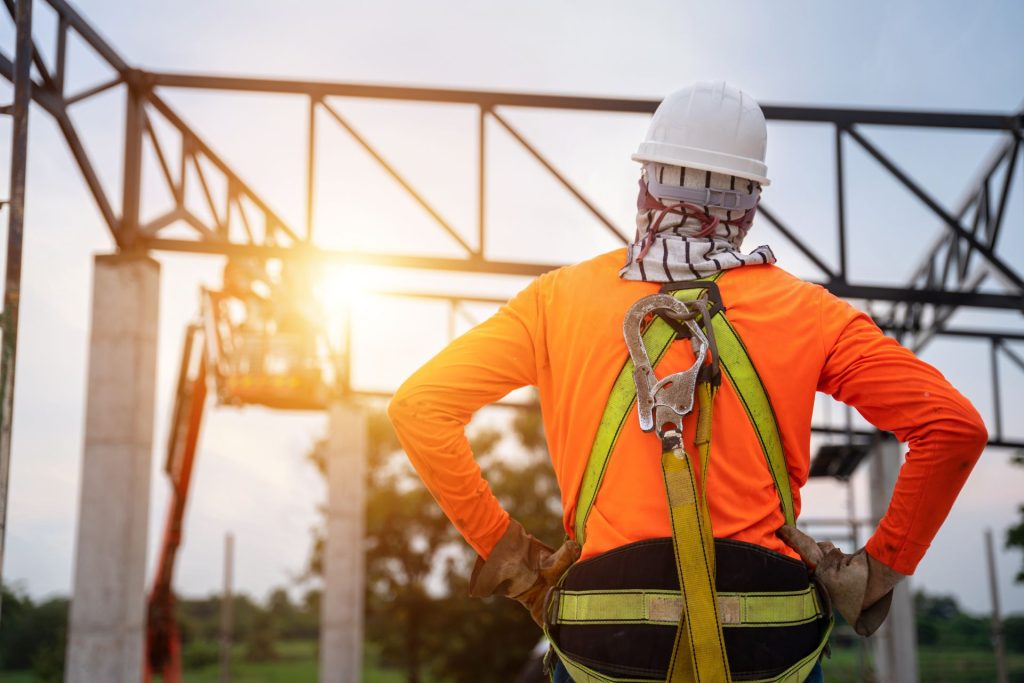
A crucial program created to give participants the information and abilities needed to perform work at elevated sites safely is the Work at Height Safety course. This course explores the complexities of working at heights, with a focus on risk assessment, hazard detection, and the application of preventive measures. When working in elevated locations, participants will acquire a thorough awareness of safety standards, equipment usage, and emergency response protocols. Participants will gain the skills necessary to reduce hazards, guarantee personal safety, and advance a culture of safe work practices when working at heights through a combination of theoretical instruction, real-world examples, and practical activities. Anyone working on projects that necessitate working at heights needs to take this course to create a safer and more productive workplace.

Who Can Take the Health & Safety Course
- Professionals in industries involve working at height, such as construction, maintenance, and telecommunications.
- Workers engaged in tasks that require elevated positions.
- Supervisors and managers responsible for teams working at heights.
- Individuals in roles involving elevated work platforms and equipment operation.
- Safety inspectors and regulatory personnel oversee work at height practices.
- Professionals in sectors like roofing, window cleaning, and utilities.
- Small business owners in industries that involve elevated work.
- Anyone interested in enhancing their understanding of working safely at heights.

Benefits of the Course
- Enhanced knowledge of working at height principles and safety practices.
- Ability to identify and prevent accidents and incidents, reducing the risk of injuries.
- Compliance with safety regulations and standards, avoiding legal issues and penalties.
- Improved personal safety practices, minimizing the risk of falls and accidents.
- Proper understanding of equipment usage and maintenance, ensuring safe operations.
- Develop effective risk assessment and hazard identification skills, promoting safety.
- Increased awareness of emergency response procedures, ensuring preparedness.
- Enhanced ability to implement and maintain safety protocols and procedures.
- Improved reputation and trust among colleagues and employers, as safety is prioritized.
- Opportunities for career advancement and employment in industries involving work at height, with the advantage of holding a recognized safety certification.